
Quick Answer:
30×30 is a goal to conserve 30% of lands and waters by 2030. California committed in 2020 and, as of June 2026, has conserved 27.1% of its lands and 21.9% of its coastal waters. Protected land helps keep our drinking water clean, our air healthier, and our food supply stable.
"I am the Lorax. I speak for the trees. I speak for the trees, for the trees have no tongues."
Dr. Seuss
One of my favorite stories growing up was The Lorax. A story about a greedy businessman who ended up destroying all the trees despite a tiny, angry orange Lorax warning against doing so, which left people with no more air to breathe. As a kid, it was just a silly made-up story. But now, growing up and being involved in the fight for climate change, our stories have intertwined, and the similarities between the story and real life have become one and the same.
With everything going on lately, from high gas prices to an increased cost of living, conservation can be the last thing on many people’s minds. It’s fair; trying to find ways to put food on the table every day has become harder to manage with skyrocketing prices and federal rollbacks. The thing is, conservation and biodiversity can have major effects on the cost of living increases caused by climate change. Protecting our land is supposed to be handled and managed by our leaders in the federal government, but right now they have flipped the script and are attacking it instead.
What does conservation and biodiversity of plants, insects, and animals have to do with our issues now anyway? To put it simply, everything. Unfortunately, just like the destruction of Truffula trees, it is one of those issues that is not dealt with now, and will only snowball to become an impossible, unfixable issue later.
How does biodiversity protect our food, water, and air?
Biodiversity is responsible for the pollination of our food through insects, animals, and plant life. With small microbes in the ground, biodiversity helps break down bad soil into healthy soil for plants to grow. Various wetlands and plants can help with the natural filtration of water and filter the air so we have enough healthy air for all of us to breathe. A world without biodiversity would mean limited access to safe, healthy drinking water, more polluted air, causing more health issues, and a scarcity of food which could drive prices up.
As scary as it sounds, without biodiversity, the issues we face right now would only be amplified. It’s not all bad or scary news; the good thing is we have already come up with a solution that nations across the world are working on right now.
What is 30x30?
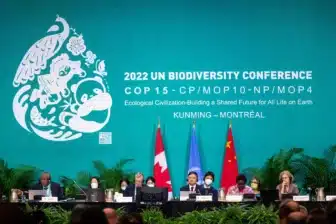
In December 2022, during the Convention on Biological Diversity’s Kunming-Montreal Global Biodiversity Framework, the 30×30 plan was adopted globally. 30×30, or 30 by 30, means protecting 30% of all lands and waters by 2030. Though 30% may seem like a smaller percentage, this number has a huge impact when it comes to conservation efforts. The 30×30 framework consists of a global goal, created out of the need to help reverse and stop biodiversity loss. It’s an ambitious and necessary step to further progress in conservation efforts across the world.
How close is California to its 30x30 goal?
Now looking at 2026, it marks the halfway point for this goal, so where does California stand in all of this? Being known as one of the world’s biggest leaders in climate, California has been paving the way for conservation.
There has been a commitment to meeting the 30×30 goal statewide! In 2020, Gov. Newsom signed an executive order that launched California’s 30×30 initiative.
SB 337 passed into law in 2023, which further cements this goal by codifying it into state law that California plans to conserve 30% of our land and water by 2030. Now, as of 2026, we have conserved 27.1% of California’s lands and a little further behind, 21.9% of California’s waters.
So far, California has added 3.5 million acres of conserved lands and coastal waters since 2022 and is on track, according to the California Natural Resources Agency.
How are federal rollbacks threatening public lands?
California has made it clear that the 30×30 goal can be taken care of by our leaders, but with the Trump administration’s recent attacks, it seems that the United States as a whole is reversing progress. This is bad news since the United States is one of the leading global powers and should be an example to the world, but has lost a lot of respect and credibility on the global platform for conservation and climate progress.
Bears Ears and Grand Staircase-Escalante
Since 2025, the Trump administration has been ruthlessly attacking conservation efforts and trying to reverse progress. In July, Trump signed a presidential proclamation that Bears Ears National Monument and Grand Staircase-Escalante National Monument in Utah would be reduced by 90%. The land that is let go would then go up for grabs to mining companies.
The Yosemite land giveaway proposal
Even California’s prized jewel, Yosemite, has become a target, with the Trump administration looking to give a parcel of land inside Yosemite to a Nevada-based private developer. According to Yosemite’s former superintendent, if approved, the road would hurt endangered Pacific fishers and great gray owls. Other experts believe the road could increase wildfire risks, and strain local resources.
Offshore drilling and marine protections
But the attacks do not stop at just land. Our coastal waters are also under threat from new offshore oil leasing proposals, rollbacks in marine monuments, and more. It is clear that the Trump administration does not understand the importance of conservation for people, and instead is more interested in selling our lands to the highest bidder.
How the public is pushing back
Despite the Trump administration’s multiple attempts to take away our public lands, there has also been a lot of pushback on these attacks. Many of the West Coast states have opposed oil drilling in their waters. Even the public has stepped up by getting more than 1 million comments opposing the Roadless Rule repeal, fighting to keep our public lands safe from the logging industry.
Why does 30x30 matter right now?
Right now is a pivotal time for climate action as we are starting to see the consequences of climate change. The 30×30 conservation goal is such an important part of fighting against climate change along with plenty of other climate action goals to keep people healthy and safe from the negative impacts like wildfires, extreme weather, and rising costs. If we don’t act now, our future generations will live in a vastly different environment than we will ever know. It is for the sake of humanity that we do everything we can now to protect biodiversity, stop climate change, and keep our communities safe.
As an avid lover of the outdoors, I have seen many beautiful places that are home to various plants and animals. These places deserve to be conserved and protected, not sold to corporations that have shown, time and time again, their carelessness, greed, and destruction. Corporations don’t see land and think of its importance and conservation; they see a fat paycheck waiting to hit their pockets. They will always put profit over people when they can.
Though for the Lorax the ending was A LOT more forgiving as they were able to bring back the Truffula trees, we do not live in fiction. Our reality will end up unfixable if we don’t tackle our issues right now. We must stand up for nature that cannot speak, and defend it against human destruction, as protecting and conserving the environment will in turn save us as well.
How can you help protect California’s lands and waters?
Collective action is possible, and we have seen its positive impact before. Using our privilege to vote for responsible leaders that care about conservation will help us reach our goal, not just at a state level but on a federal level as well. By using our voice to speak out and hold leaders accountable. By signing petitions that will help amplify our collective voice, all will play a huge part in fighting back against the Trump administration’s attacks.
"Unless someone like you cares a whole awful lot, nothing is going to get better. It's not."
Dr. Seuss